
low iron toughened glass
The Pricing Dynamics of 1% 2% Inch Gate Valves Gate valves are a crucial component in various industrial applications, particularly in water, oil, and gas pipelines. Their primary function is to allow or block fluid flow and they are preferred in situations where minimal flow restriction is required. Among the various sizes available in the market, 1% and 2% inch gate valves are particularly popular due to their versatility and efficiency. Understanding the pricing dynamics of these valves is essential for both manufacturers and consumers. Market Trends Influencing Prices The price of 1% and 2% inch gate valves varies based on several factors, including material, size, brand reputation, and manufacturing processes. Typically, gate valves are made from materials such as brass, stainless steel, carbon steel, and PVC. The choice of material significantly affects the pricing. For example, stainless steel valves are generally more expensive than those made from brass due to their superior durability and resistance to corrosion. Additionally, brand reputation plays a significant role in price determination. Established brands with a track record of quality often command higher prices. This is because consumers are willing to pay a premium for reliability, which is paramount in industrial applications where valve failure can lead to costly downtimes and safety hazards. Bulk Purchasing and Market Access Another factor affecting the price of gate valves is the scale of purchase. Bulk purchasing often leads to discounts. Many suppliers provide cost-effective deals to businesses that require large quantities of valves for projects, thereby lowering the per-unit cost. For small companies or individuals, purchasing from local hardware stores may result in higher pricing due to lower volume sales and increased overhead costs. 1 2 inch gate valve price The accessibility of the valves in different markets can also impact pricing. Regions with high demand and limited supply may see increased prices, while areas with ample supply and competition may benefit from lower prices. Also, economic conditions, such as inflation rates and currency fluctuations, can affect material costs and subsequently the final pricing of gate valves. Features and Specifications Special features or specifications on gate valves, such as enhanced sealing mechanisms, automated functions, or specific certifications (like NSF for potable water) can also elevate their costs. Buyers looking for valves with specific features must be prepared to invest more; however, these features often provide additional reliability and longevity, making them a worthwhile investment in the long term. Conclusion As of late 2023, the price range for 1% and 2% inch gate valves can vary significantly based on the mentioned criteria. On average, prices may range from $20 to $300 or more per valve, depending on the specifications and materials used. Customers are advised to conduct thorough market research before making purchases. By comparing prices across various suppliers and considering the total cost of ownership, including maintenance and potential downtime, consumers can make informed choices that align with their operational needs and budget. In summary, the pricing of 1% and 2% inch gate valves is influenced by a multitude of factors, including manufacturing materials, brand reputation, quantity purchased, and additional features. Understanding these dynamics will not only aid consumers in making cost-effective purchases but also help manufacturers in positioning their products in an increasingly competitive marketplace. As industries continue to evolve, keeping an eye on trends and price fluctuations in the valve market will be key to successful procurement strategies.
about
low iron toughened glass
The Metal Angle Ruler A Versatile Tool for Precision Measurement In the world of design, architecture, engineering, and crafts, precision is paramount. Among the many tools available to ensure accuracy in measurements, the metal angle ruler stands out as a highly versatile and indispensable instrument. This article delves into the features, advantages, applications, and maintenance of metal angle rulers, highlighting their significance in various fields. Features of Metal Angle Rulers Metal angle rulers are typically constructed from high-quality stainless steel or aluminum, ensuring durability and resistance to corrosion. A standard metal angle ruler consists of two arms that meet at a right angle, forming a 'L' shape. One of the primary features of these rulers is the calibrated markings along the edges, which are usually in both metric and imperial units. This dual measurement system allows for flexibility and convenience, catering to users from different regions and industries. Many metal angle rulers come equipped with additional features such as movable arms or built-in protractors that facilitate more complex angles. Some designs include laser-engraved measurements for enhanced visibility and longevity, as printed markings can wear off over time. Their smooth surface ensures easy sliding over materials, making them ideal for drawing straight lines or measuring angles accurately. Advantages of Using Metal Angle Rulers One of the critical advantages of metal angle rulers is their precision. The rigid nature of metal ensures that the ruler maintains its shape, preventing any bending that could lead to inaccurate measurements. In contrast to plastic or wooden rulers, metal angle rulers provide a greater degree of accuracy, which is essential in fields where even minor discrepancies can have significant consequences. Another advantage is their durability. Metal angle rulers are designed to withstand wear and tear, making them suitable for both indoor and outdoor use. Whether in a workshop, construction site, or classroom, these rulers can endure harsh conditions, ensuring long-term reliability. Moreover, the versatility of metal angle rulers cannot be overstated. They can be used for a broad range of applications, including drafting, woodworking, metalworking, and even baking. Their ability to create perfect right angles makes them a favorite among carpenters, architects, and engineers . The metal angle ruler can also assist in laying out lines for cutting or drilling, ensuring that projects are executed flawlessly. Applications in Various Fields metal angle ruler 1. Architecture and Engineering Architects and engineers frequently use metal angle rulers for creating blueprints and technical drawings. The precision of the ruler helps in drafting accurate representations of structures, allowing for effective planning and communication among stakeholders. 2. Woodworking and Crafting Woodworkers rely on metal angle rulers to achieve precise cuts and joinery. The ability to draw accurate lines and angles is crucial when creating furniture, cabinetry, or intricate designs. 3. Education In educational settings, metal angle rulers are essential tools for teaching students about geometry and design principles. Their use in practical assignments enhances understanding and skills in measurement. 4. Metalworking Metal fabricators utilize angle rulers for accurate layout and cutting of metal components. The robustness of metal rulers allows them to be used alongside heavy machinery without risk of damage. Maintaining Your Metal Angle Ruler Proper maintenance of a metal angle ruler is vital to ensure its longevity and accuracy. Users should clean the ruler regularly to remove dust, grease, or debris that can affect precision. A soft cloth or mild detergent is sufficient for cleaning; harsh chemicals should be avoided as they can scratch or tarnish the surface. It is also essential to store metal angle rulers in a safe place, away from other tools that could cause scratches or dents. Using a protective case can prevent accidental damage during transport. Conclusion In conclusion, the metal angle ruler is a crucial tool for achieving precision in various fields, from architecture to woodworking. Its reliable construction, versatility, and ease of use make it an invaluable addition to any toolbox. By understanding its features and proper maintenance, users can ensure that their metal angle ruler remains an effective instrument for many years to come. Whether you are a professional in a technical field or a hobbyist, investing in a quality metal angle ruler is a decision that will greatly enhance your work's accuracy and quality.
-

High quality industrial productsagement

High quality industrial products
View Details -

Meet the diverse needs of customers

Meet the diverse needs of customers
View Details -

Strict quality control

Strict quality control
View Details -

Top raw materials

Top raw materials
View Details -

Trusted supplier

Trusted supplier
View Details
Our application


news and information
Y Type Strainer Future Innovations
The industrial landscape is continuously evolving, driven by technological advancements and the need

v بلوک
موضوع V-Block در دنیای پیچیده و پیشرفته فناوری اطلاعات، مفهوم V-Block به عنوان یکی از روشهای نوین د
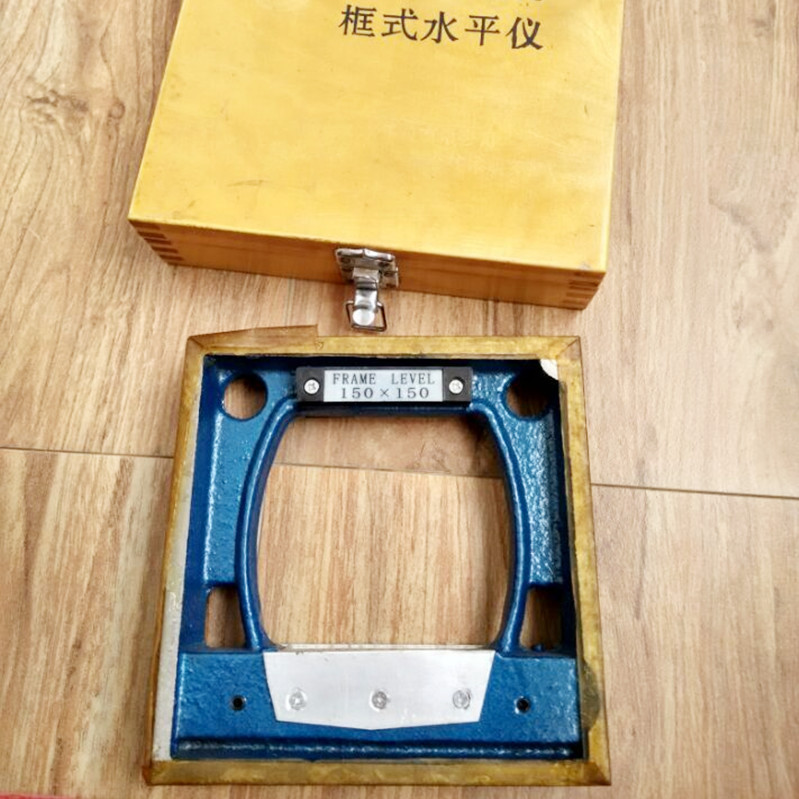
Using a Level Ruler for Accurate Measurements and Alignment in DIY Projects
The Importance of a Spirit Level Ruler in Construction and DIY Projects A spirit level ruler is an i
 English